
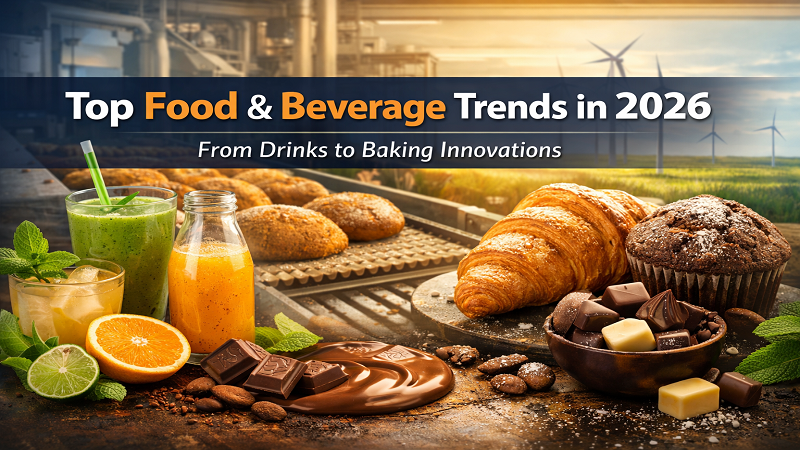
The global food and beverage industry is undergoing an exciting transformation in 2026. Driven by evolving consumer preferences, technological innovation, and a growing focus on sustainability, businesses are constantly adapting to stay ahead. From functional beverages to creative baking solutions, the landscape is full of opportunities for brands to connect with health-conscious and adventurous consumers alike.
The Rise of Functional Beverages
Functional beverages are taking center stage in the modern consumer market. People are no longer just looking for thirst-quenching drinks—they want beverages that offer tangible health benefits. From detox juices and probiotic drinks to energy-boosting smoothies and herbal infusions, the demand for functional beverages is growing rapidly.
Brands are responding by emphasizing natural ingredients, low sugar content, and added nutritional benefits such as vitamins, minerals, and adaptogens. Consumers are increasingly educated about wellness, seeking products that support immunity, digestion, mental clarity, and overall vitality. This trend indicates a clear shift towards drinks that nourish the body and mind, not just tantalize the taste buds.
Innovation in Baking and Pastry
The baking and pastry sector is also evolving with remarkable speed. Modern bakeries are experimenting with new ingredients, innovative techniques, and visually striking presentations to attract customers. This creativity is not just about aesthetics; it’s about offering unique flavors and textures that surprise and delight consumers.
Companies like Puratos are at the forefront of this innovation. They provide professional-grade ingredients and solutions that help bakeries and chocolatiers produce premium-quality products consistently. By combining traditional expertise with modern creativity, these companies enable businesses to stand out in a highly competitive market.
Evolving Chocolate Trends
Chocolate remains a beloved treat worldwide, but the trends are evolving. Consumers increasingly prefer premium chocolate products with sustainable, ethically sourced ingredients. Dark chocolate, unique flavor infusions like chili, matcha, or sea salt, and organic options are gaining popularity.
Transparency in sourcing has become a key factor in consumer choice. Brands that highlight fair trade practices and environmental responsibility earn customer trust and loyalty. This movement towards conscious consumption reflects the broader demand for sustainability and ethical production in the food industry.
Sustainability in the Food Industry
Sustainability is no longer a secondary concern—it is now a core strategy for businesses in the food and beverage sector. Companies are adopting eco-friendly practices such as responsibly sourced ingredients, biodegradable or reusable packaging, and reduced food waste.
Consumers are increasingly supporting brands that share their values. By integrating sustainability into operations, businesses not only protect the environment but also enhance their reputation and foster deeper connections with customers. This trend is likely to define the market for years to come.
The Fusion of Drinks and Bakery
One of the most exciting trends in 2026 is the fusion of beverages with bakery items. Cafés, restaurants, and specialty food brands are experimenting with pairing drinks and pastries to create immersive tasting experiences. Imagine a rich, antioxidant-packed coffee complemented by a matcha-infused croissant or a smoothie perfectly paired with a fruit tart.
This trend is opening new opportunities for businesses to innovate, offering multi-sensory experiences that keep customers coming back. It also encourages experimentation with flavors, textures, and presentation styles, making dining more interactive and enjoyable.
Conclusion
The food and beverage industry in 2026 is defined by innovation, health-conscious choices, and sustainability. From functional beverages to creative baking techniques and ethical chocolate production, brands are finding new ways to engage consumers. By embracing these trends, businesses can meet evolving consumer demands, differentiate themselves in a competitive market, and build lasting customer loyalty. The future of food and beverages is vibrant, exciting, and full of possibilities for those willing to innovate and adapt.