
Welcome to the complete guide to industrial chain systems and lifting operations in Australia. For anyone working across mining, construction, or heavy industry, getting your lifting equipment right is one of the most important calls you’ll make on any job site.We are RUD Australia, a Brisbane-based lifting and chain technology specialist with over 40 years of experience supporting Australian operations. We’ve worked across a wide range of industries, and we know what it takes to keep lifts safe, reliable, and compliant.In this guide, you’ll learn how chain systems work, what lifting equipment suits different site demands, and how to find the right product for your operations.
Ready? Let’s get into it.
What Are Industrial Chain Systems and How Do They Work?
A chain system is a load-rated assembly of interlinked steel components designed to lift, secure, or move heavy loads safely across lifting operations. At its core, the assembly brings together chain links, lifting hooks, lifting points, and connecting hardware.
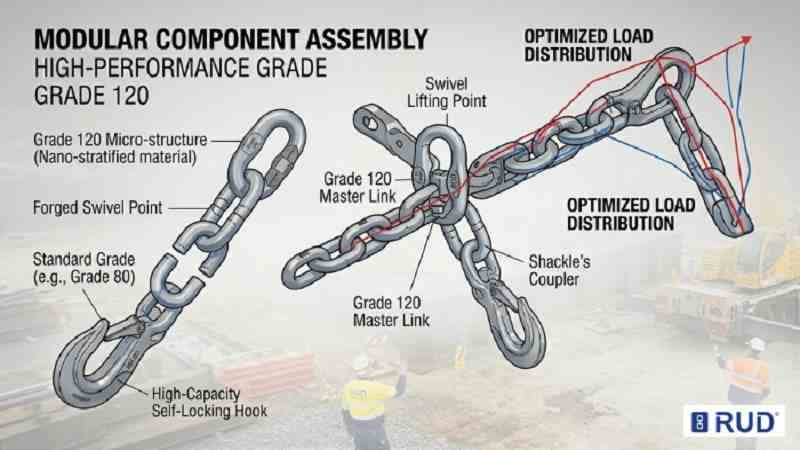
Each component handles specific load capacities at every stage of a lift, based on its rating. In practice, grade and material class are what separate a durable, reliable chain from one that fails under pressure. For instance, higher-grade chains handle heavier loads and more demanding site conditions.
So if your operations involve serious weight, the grade of your chains is the first thing to take into account.
Lifting Equipment You Can Actually Count On Target
The best part about using properly rated lifting equipment is that it removes the guesswork from every lift. Your team works with confidence, the site stays compliant, and your rigging solutions hold up to real operational demands.
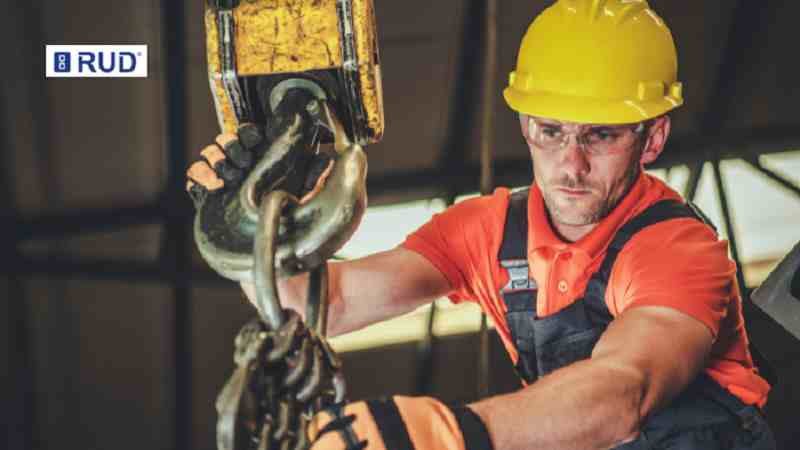
Here’s a closer look at the main components that make it all work:
Lifting Points and Hooks: Getting the Basics Right
Lifting points and hooks are the two most vital connection points in any chain lifting assembly. Because lifting points anchor the load to the crane or hoist, while hooks link the chain to the load itself. That’s why you should get this pairing right for safe, controlled lifts.
And honestly, this is where a lot of unwanted site incidents start. For example, a hook rated for light loads on a heavy lift, or a lifting point installed at the wrong angle, can compromise the entire assembly. (We see this come up more often than you’d think, even on well-run sites.)
Wire Rope vs. Chain: Which One Suits Your Job?
Most site managers assume that wire rope and chain are interchangeable. In reality, the difference between them can determine whether a lift goes smoothly or not.
Wire rope suits long-reach, high-speed lifts, while chain is built for heavy, short-cycle industrial applications. On top of that, chain holds up far better against abrasion, heat, and impact than cable or wire rope in harsh conditions.
So For mining, construction, or processing environments, a chain is usually the more dependable pick.
Height Safety and Rigging Equipment: What You Need to Know
Getting your rigging equipment right means your crew works at height with a lot more confidence. Height safety assets like harnesses, lanyards, and anchor points all depend on certified, inspected equipment to function as designed.
That said, your team must inspect rigging equipment regularly and replace it the moment wear exceeds manufacturer tolerances. Skipping inspections is one of the fastest ways to move from a manageable risk to a serious one for your workers.
How Chain Systems Handle Materials Handling Demands
Bulk materials processing puts serious strain on handling equipment, and not every system holds up under that pressure. This is the appropriate moment to utilise the chain systems. They are engineered to keep operational productivity on track even in the toughest site conditions.
Let’s look at where they consistently deliver:
- Chain Conveyors and Bucket Elevators: These move bulk materials through processing facilities reliably, even in high-volume mining and construction projects. They’re designed to handle continuous operational demands without significant downtime.
- Performance in Harsh Conditions: Chain systems perform well in high-temperature, abrasive, or wet materials handling environments where trolleys, belts, and other equipment tend to fall short. (This is something our team sees firsthand across Australian processing facilities.)
- Maintenance and Service Life: Selecting the right chain type reduces downtime and extends equipment service life considerably. Good maintenance practices also help you track wear early and avoid unexpected failures on site.
Verdict: Along with moving materials, the right chain system keeps your entire operation running smoothly. And that’s a difference you’ll feel across every shift.
Australian Standards and the Right Product for the Job
A lot of lifting equipment gets used on Australian sites every day without anyone checking if it actually meets the required standard. That’s a real problem. Australian standards like AS 4991 and AS 1418.2 set the minimum safety threshold for lifting equipment, rigging, and slings. These are applicable across every industry and project stage.
You might think that non-compliance is just a paperwork issue. That’s not true. Using unrated or poorly inspected equipment puts workers at risk. It ultimately exposes your business to serious legal consequences. A shackle, hook, or chain that hasn’t been tested and inspected to the right standard is a liability, plain and simple.
That’s when high-quality lifting equipment serves its purpose. At RUD, our product range is designed to meet or exceed Australian standards across every category, which gives clients the confidence that what they’re using on site is the right product for the job.
Leading Brands and Local Knowledge, Australia-Wide
Working with a supplier who knows the Australian market means you spend less time chasing parts and more time getting the job done.
Here’s what that looks like in practice:
- Leading Brands and Full Product Range: RUD Australia stocks a wide range of lifting equipment, lashing systems, and accessories from leading brands. All are available for delivery Australia-wide, including Melbourne and Victoria. Most importantly, our product range is built to suit the most demanding site requirements.
- Supply, Shipping and Support: Our team keeps things moving from supply through to shipping. Clients across Queensland, New South Wales, and beyond count on us for reliable stock availability, short lead times, and responsive support when it counts.
- Local Expertise for Materials Handling Projects: Local knowledge means faster advice, better product matching, and solutions that actually fit your operational needs. We work closely with clients to track down the right materials handling equipment for their projects, no matter the scale.
Round out your search here, browse our full range, add to cart, and shop with confidence knowing our team stands behind every product we supply.
Ready to Lift Smarter? Here’s Where to Start
Now that you know how chain systems work and what to look for, the next step is finding the right lifting equipment for your site. Certified, correctly rated gear is what keeps your rigging safe, your team productive, and your operations running without a hitch.
From height safety to heavy loads, our services cover every corner of the lifting industry, and we’re here to back you up every step of the way.
Ready to find the right product for your next project? Browse our full range, add to cart, and submit your enquiry today. Or get in touch with our team directly for personalised advice.
We’re Australia-wide, so no matter where your site is, we’ve got the supply and support to match.